
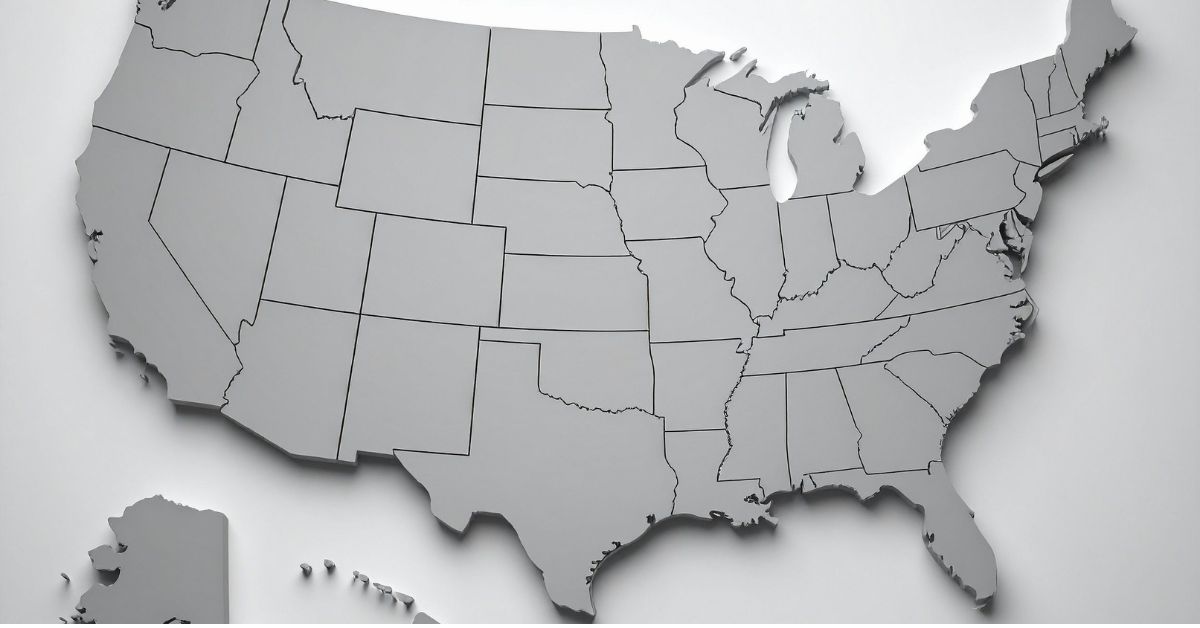
Not all probate processes are created equal. If you are waiting on an inheritance and considering working with an inheritance lender, the state where probate is filed should be one of your first considerations. Probate timelines, court requirements, and legal procedures vary widely across the country, and these differences directly affect how quickly you can access your funds.
Probate Is Not a One-Size-Fits-All Process
Every state has its own probate code, and the differences are significant. Some states offer simplified probate procedures for smaller estates. Others require multiple court hearings spread over many months. Certain states mandate waiting periods before distributions can occur, while others allow faster movement through the system.
California, for example, is notorious for lengthy probate timelines. According to the California Courts, even straightforward estates typically take 12 to 18 months to settle. Complex cases stretch to two years or more. Texas, by contrast, often moves faster thanks to independent administration procedures that reduce court oversight.
These variations matter when you need money now. An inheritance lender who understands your state’s specific requirements can work within that system efficiently, while a lender unfamiliar with local procedures may stumble through verification and slow down your funding.
How State Laws Affect Your Inheritance Advance
State probate laws influence several aspects of the inheritance advance process.
Court filing requirements differ by jurisdiction. Some states require detailed inventories early in probate, giving lenders clear visibility into estate assets. Others allow more time before inventory filings, which can delay the verification process if your lender does not know how to work around this.
Creditor claim periods vary as well. Most states require a waiting period during which creditors can file claims against the estate. This period ranges from a few months to over a year depending on the state. Inheritance lenders must account for potential claims when evaluating your advance, and a lender experienced in your state knows what typical claim activity looks like.
Real property rules also differ. If the estate includes a house or land, state-specific laws govern how that property can be sold or transferred. Some states require court approval for every real estate transaction during probate. Others give executors more flexibility. These rules affect how lenders evaluate real estate-heavy estates.
For a deeper look at how probate differs across jurisdictions, see our guide on understanding probate laws in other states.
The Advantage of Working with a State-Specific Inheritance Lender
An inheritance lender with expertise in your state brings several advantages to the table.
They know which courts move quickly and which ones drag their feet. They understand what documentation local courts typically require and can tell you exactly what to gather. They have likely worked with executors and probate attorneys in your area before, which smooths communication. And they can often verify estate information faster because they know where to look and who to contact.
This familiarity translates directly into speed. When your lender already understands California’s independent administration procedures or Florida’s summary administration rules, they do not waste time figuring out basics. They move straight to evaluating your specific situation.
California heirs, for instance, often benefit from working with specialists like Probatelend who focus exclusively on California probate. Their deep familiarity with the state’s courts and procedures allows them to process applications faster than national lenders who treat California as just another state.
National Lenders vs. State-Focused Lenders
National inheritance lenders serve heirs across the country, which offers convenience but sometimes sacrifices specialization. A lender processing applications from 50 different states cannot possibly maintain deep expertise in every jurisdiction.
This does not mean national lenders are bad. Many are reputable and effective. But if speed and efficiency matter to you, a lender who specializes in your state, or at least has significant experience there, often delivers better results.
The tradeoff comes down to your priorities. If you value one-stop convenience and do not mind potentially longer processing times, a national lender may work fine. If you want the fastest possible funding from someone who truly understands your local probate system, a state-focused lender is worth seeking out.
Our article on the pros and cons of using out-of-state inheritance lenders explores this tradeoff in more detail.
Using a Directory to Find Lenders in Your State
Finding an inheritance lender with state-specific expertise used to require hours of research, phone calls, and guesswork. Today, inheritance lender directories simplify the process dramatically.
A good directory organizes lenders by state, letting you immediately see which providers serve your jurisdiction. You can compare multiple options, check their experience levels, and identify specialists who focus on your area.
InheritanceLender.com offers exactly this kind of state-by-state organization. Instead of Googling blindly and hoping for the best, you start with a curated list of lenders who actually work in your state. This saves time and helps you avoid lenders who may technically serve your state but lack real expertise there.
What to Ask About State Experience
When you contact an inheritance lender, ask directly about their experience in your state. Good questions include how many advances they have funded in your state over the past year, whether they have relationships with probate courts or attorneys in your area, and how familiar they are with your state’s specific probate procedures.
A lender with genuine state expertise will answer these questions confidently and specifically. Vague responses like “we serve all 50 states” without further detail may indicate limited local experience.
You should also ask about typical timelines for heirs in your state. An experienced lender can give you realistic expectations based on how your state’s courts actually operate, not just generic estimates.
For more guidance on evaluating lenders, see our article on how to speed up access to your inheritance with the right lender.
State-Specific Challenges and How Local Expertise Helps
Certain states present unique challenges that make local expertise even more valuable.
In California, the sheer length of probate means heirs often need advances early in the process when uncertainty is highest. A California-focused lender understands how to evaluate estates at this stage and price risk appropriately.
In New York, the distinction between different types of probate proceedings affects how quickly assets become accessible. A lender familiar with New York’s system knows which proceeding type applies to your situation and what it means for timing.
In Texas, the availability of independent administration changes the entire dynamic of probate. Lenders who understand this can often move faster because they know court involvement will be minimal.
These nuances matter. An inheritance lender who has never handled a case in your state may miss important details that a local expert catches immediately.
Start Your Search with the Right Tools
Your state shapes your probate experience in ways that directly impact how quickly you can access your inheritance. Choosing an inheritance lender who understands these state-specific realities positions you for faster funding and a smoother process.
Rather than hoping a random lender happens to know your state’s system, start your search with a directory that organizes options by location. You will immediately see which lenders serve your state and can begin comparing their experience levels and terms.
Ready to find an inheritance lender who knows your state? Browse the InheritanceLender.com directory to see providers organized by state and start your search with confidence.
Frequently Asked Questions
Does it matter what state the inheritance lender is based in?
What matters most is whether the lender has experience working in the state where probate is filed. A lender based in Florida can effectively serve California heirs if they have genuine expertise in California probate. The key is their familiarity with your state’s specific procedures, not their physical location.
Can I use an inheritance lender from a different state than where probate is happening?
Yes, many inheritance lenders serve multiple states or operate nationally. However, you should confirm they have real experience in the state where your probate case is filed. Ask specifically about their track record in that jurisdiction before proceeding.
Why does California probate take so long?
California’s probate code requires multiple court filings, mandatory waiting periods, and formal oversight that extends timelines compared to other states. Even simple estates typically take 12 to 18 months. Complex estates or those involving disputes can take several years.
How do I find an inheritance lender who specializes in my state?
The easiest approach is using a directory like InheritanceLender.com that organizes lenders by state. This lets you immediately identify providers who serve your jurisdiction and compare their experience levels.
Will a state-focused lender offer better terms than a national lender?
Not necessarily better terms, but often faster service. State-focused lenders process applications more efficiently because they understand local procedures. Whether their fees or advance percentages differ depends on the specific lender, so comparing multiple options is always wise.